
Maritime logistics for the Arctic with unmanned technology
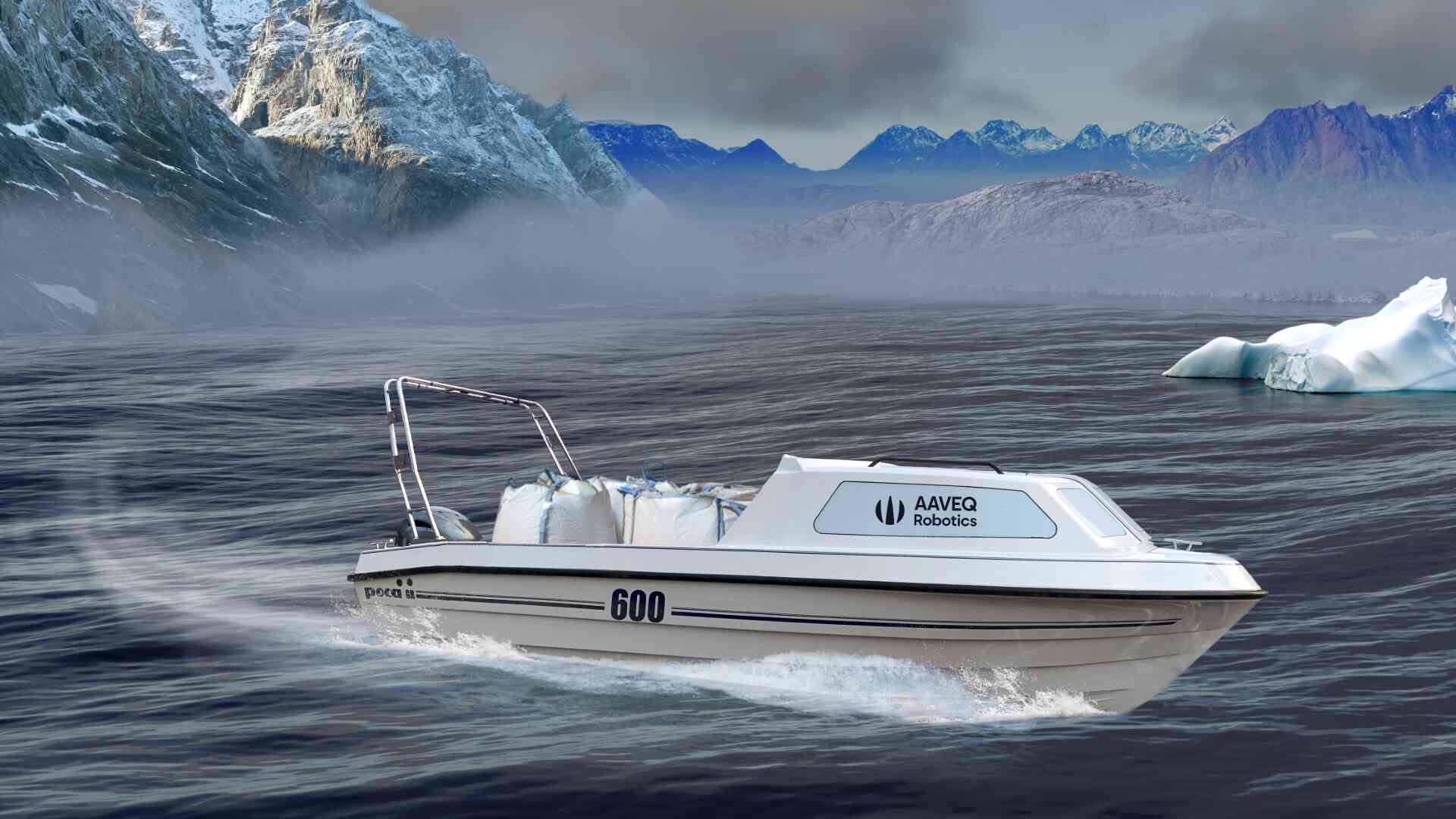
Aaveq Robotics will, in collaboration with local stakeholders, develop a new solution for waste transportation in Greenland. The solution is based on a system that can be retrofitted to existing boats, enabling them to be remotely controlled for unmanned transport operations. Aaveq Robotics will operate as a shipping company using smaller vessels (approximately 6 meters in length) that can collect waste from settlements where larger ships have limited or no access. The boats will be controlled from a remote operations centre, where a single vessel operator can monitor and operate vessels across all of Greenland.
Greenland faces a severe waste management crisis, particularly in its remote and isolated Arctic communities. The waste produced far exceeds the capacity for proper management, leading to uncontrolled piles of trash. This waste accumulation results in a range of problems.
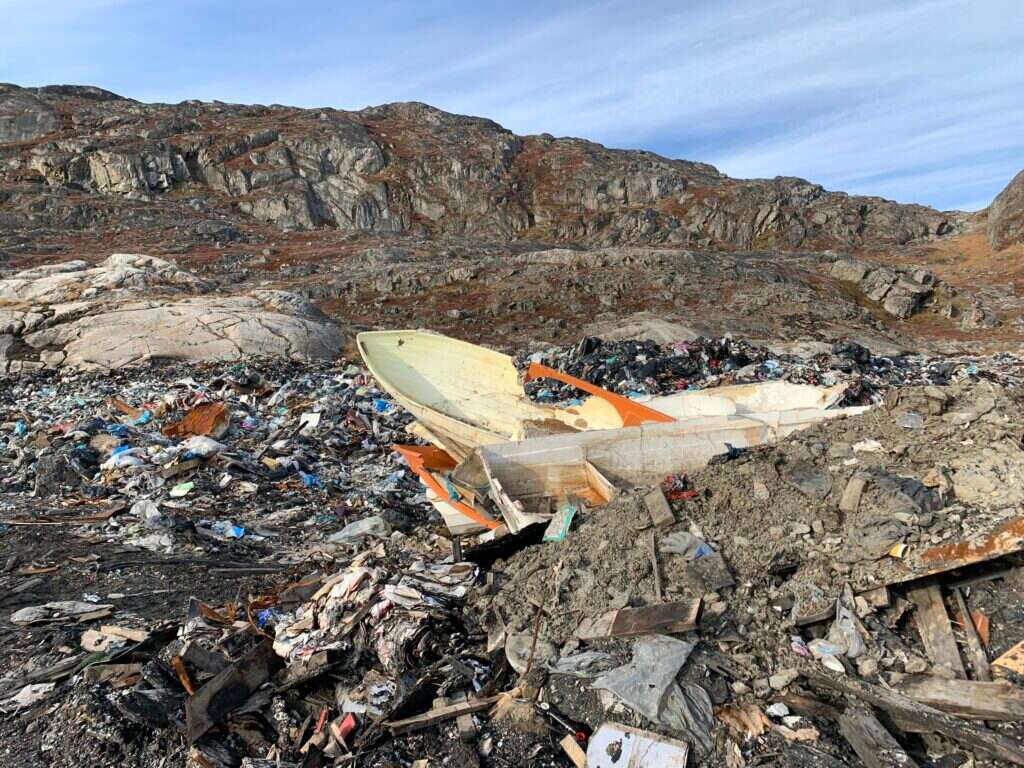
Unmanaged waste pollutes the air, land, and sea, with toxins like dioxin contaminating water supplies and harming marine life. The harsh Arctic conditions exacerbate the situation.
01
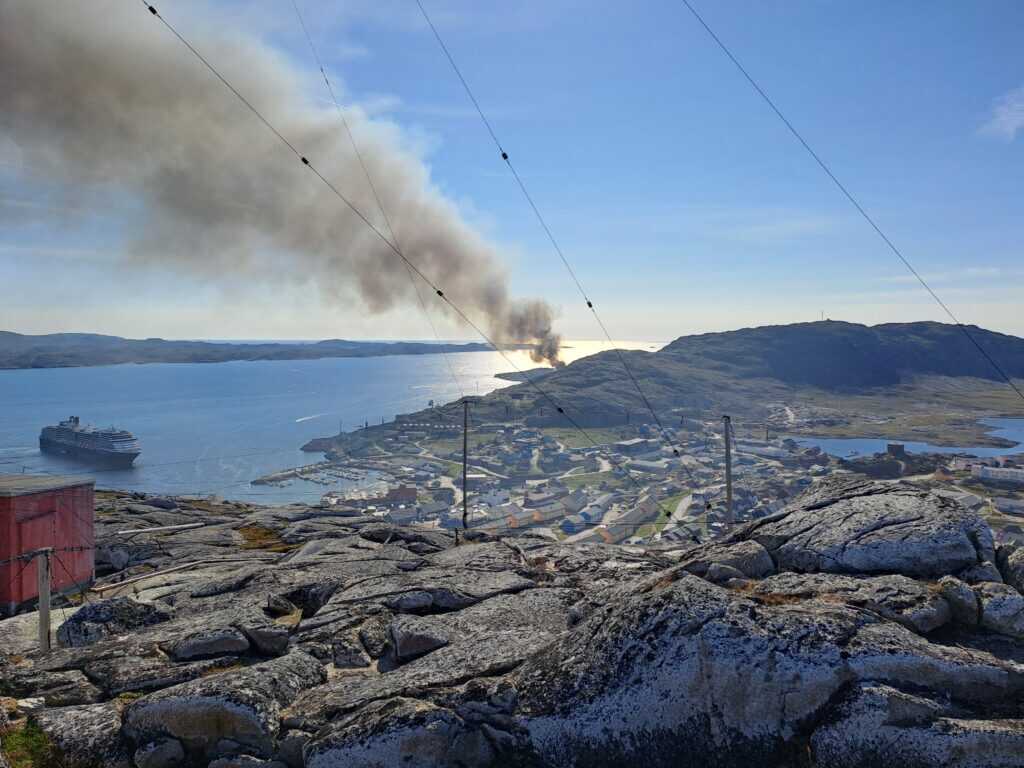
The accumulation of waste leads to air pollution, the spread of diseases, and increased cancer risks due to exposure to harmful chemicals.
02
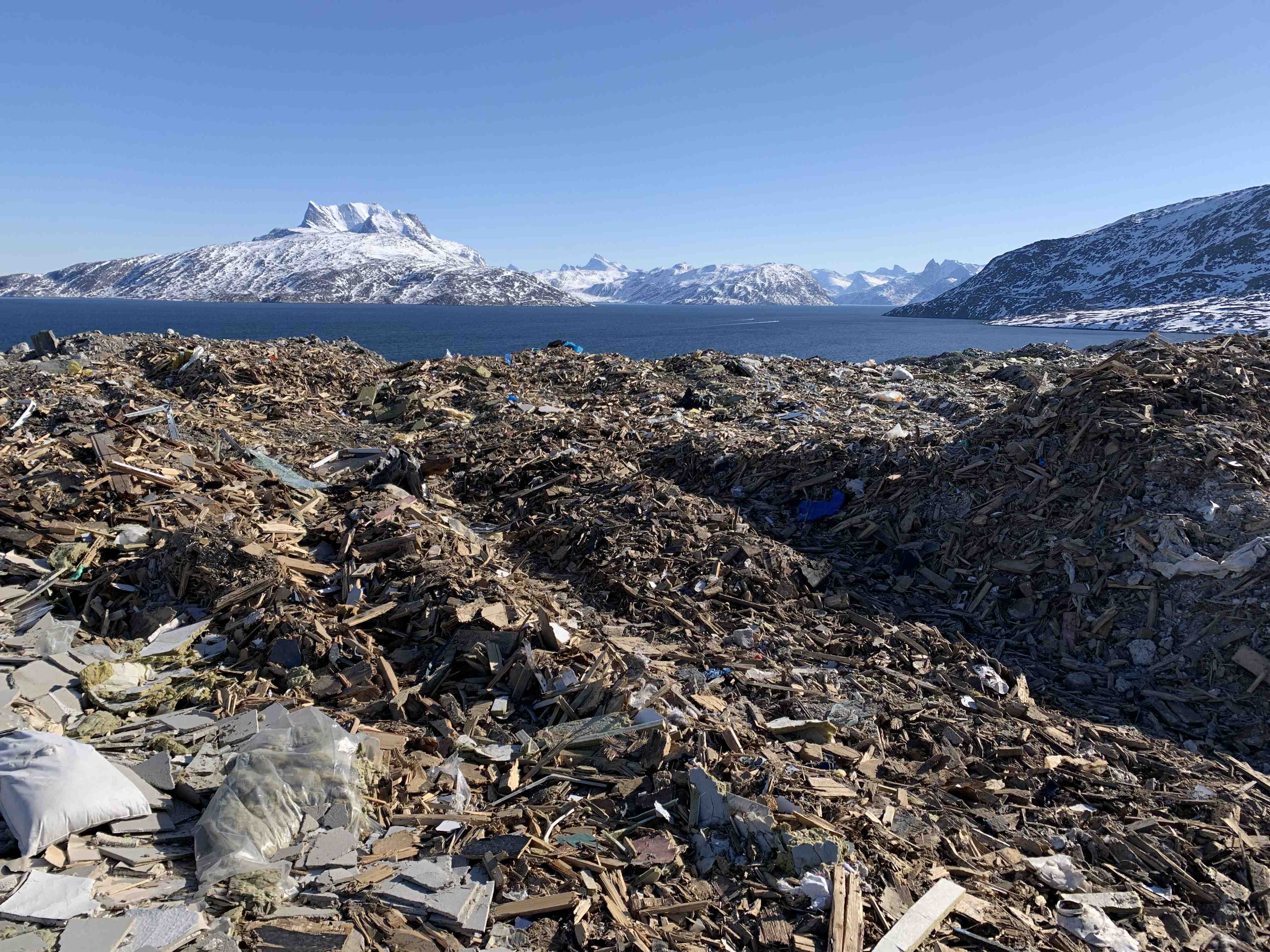
The presence of waste piles detracts from Greenland's natural beauty, negatively affecting tourism and sustainable growth efforts.
03
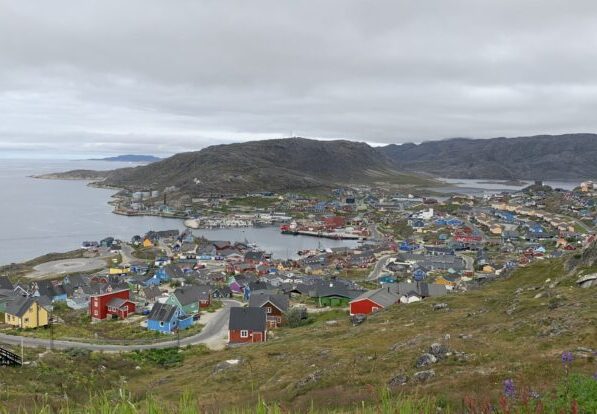
For the environment, the Arctic is one of the most influential regions in the world and at the same time one of the most vulnerable. It is home to a rich culture, unique ecosystems, and communities that are closely connected to nature and dependent on stable functions such as transport and waste management. At the same time, the geographical and climatic conditions make it difficult to implement external solutions if they are not adapted to local realities. Therefore, we focus on development in close collaboration with the people living in the Arctic, based on the principles of “no fly-in, fly-out” and “nothing about us without us,” where local needs and experience are a central part of the process.
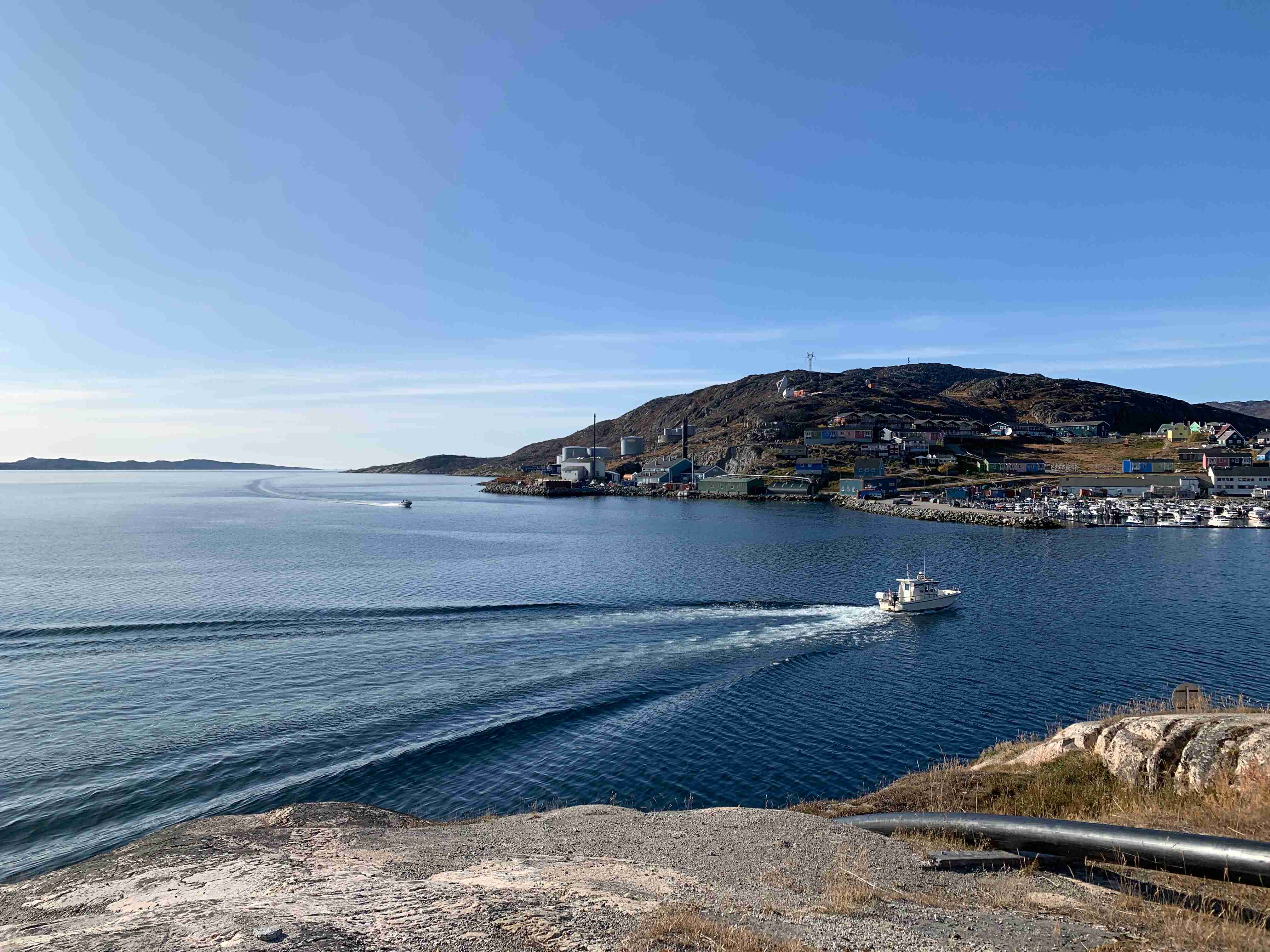
The unmanned vessels function as maritime garbage trucks, gathering waste from settlements and transporting it to central hubs in the towns, where larger vessels have safe access. The boats sail remotely to the settlements’ dock facilities, where municipal workers load them with big bags. The handling is based on existing workflows already used today when loading larger vessels. The boats are primarily designed for transporting household waste, but can also be used for transporting hazardous waste under appropriate safety procedures.
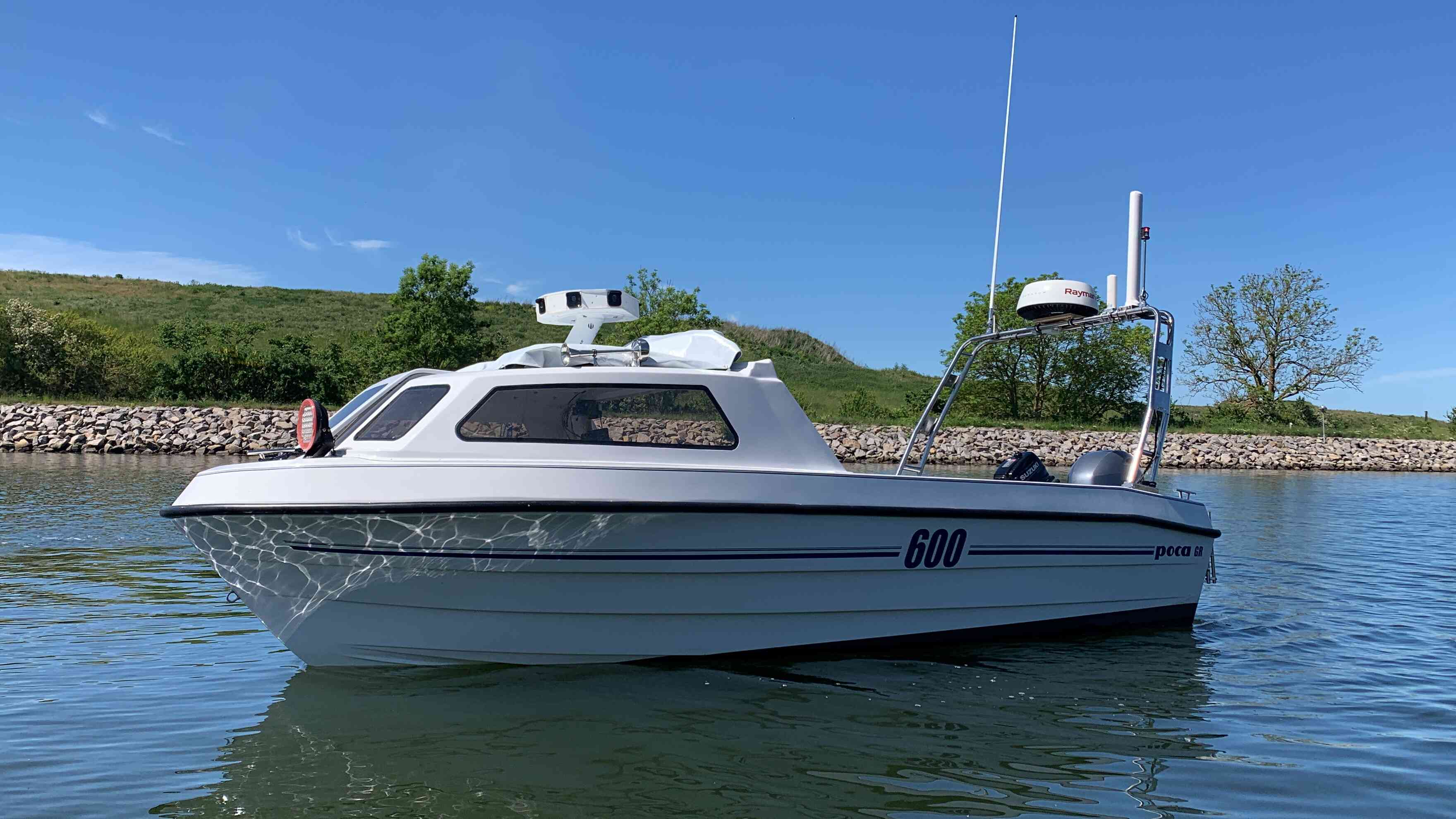
The solution is based on a system that can be retrofitted to existing vessels, enabling them to operate remotely for unmanned transport. In Greenland, the system is designed around POCA boats, making local maintenance and repairs possible. Aaveq Robotics’ innovation lies in the control boxes integrated into the vessel. These boxes collect data from existing sensors and cameras, process the data, and manage communication with the control centre.
We develop Aaveq Robotics in close collaboration with partners who enable us to test, implement, and scale our technology in the Arctic.
Supported by:








Partners:


Copyright © 2026 Aaveq Robotics ApS, All Rights Reserved


 Cortex Park 26, 5230 Odense M
